News tagged updated
-

May 2026 Forecasts released - ACIF Forecasts Industry could be bought to Standstill
The May 2026 update of the ACIF Forecasts projects that growth in the industry could be brought to a standstill. This is in sharp contrast to the 3.6 per cent growth seen over 2025. The building and construction industries now must endure a reversal of policy settings that could send performance backwards. This could lead to a contraction in work done of 0.8 per cent in 2026. Nerida Conisbee, Chair of ACIF’s Construction Forecasting Council, commented “since the November 2025 report, the operating environment has shifted materially. What had looked like a cautiously managed soft landing has become a more difficult and volatile outlook. The surge in fuel prices, renewed inflationary pressure and the prospect of higher interest rates are expected to weigh heavily on demand, project feasibility and margins”. “After solid growth in 2025, the May 2026 forecasts point to total building and construction work potentially moving backwards in 2026. Residential building remains central to the industry’s outlook, but it is also the sector most exposed to changes in household borrowing capacity and confidence.” “Higher interest rates are expected to slow growth in new houses and alterations and additions, even as demand for housing remains underpinned by population growth and the continuing need to address Australia’s housing supply challenge. Encouragingly, new other residential dwellings, including apartments and townhouses, are expected to show greater resilience, supported by policy priorities, planning reform and the ongoing need for more diverse housing supply.” Ms Conisbee concluded. The report makes clear that the National Housing Accord target remains difficult to achieve without meaningful progress on productivity, approvals, labour capacity and cost pressures. Non-residential building also faces a more uneven outlook. Strength in data centres, defence facilities and selected commercial projects is helping to support parts of the market, but this is being offset by weaker conditions in offices, industrial, retail and wholesale trade. Infrastructure construction provides some relief, particularly through electricity, pipelines, water and sewerage projects that support the clean energy transition. According to ACIF Chief Forecaster Kerry Barwise “There are many uncertainties in these forecasts. The possibility of a prolonged conflict in Iran weighs heavily on the outlook for the building and construction industry, as it does for the economy at large.” “The forecasts reflect the knowledge that this industry is particularly exposed to the impact of changes in interest rates. This impacts on demand and on costs, compressing margins and placing more stress on an industry that already tops the industry count for insolvencies. It is also very difficult to assess the full impact of recent policy changes.” “Withdrawal of budget “tax expenditures”, such as negative gearing provisions in personal income taxation, may discourage investment in residential building, but it may also redirect investment into other asset classes, including commercial property, property trusts and managed funds. The increase in uncertainty is possibly the gravest threat. It is very difficult for buyers and sellers to anticipate all the myriad fundamentals that are shifting in the winds of change right now. It is hard to anticipate how this plays out, but higher costs and higher risk generally result in less investment and growth.” Mr Barwise concluded. For media comment please contact: Kerry Barwise 0412 599 968 or Nerida Conisbee 0439 395 102. About Australian Construction Industry Forum (ACIF) The Australian Construction Industry Forum (ACIF) is the trusted voice of the Australian construction industry. ACIF facilitates and supports an active dialogue between key players in residential and non-residential building, and engineering construction, other industry groups, and government agencies. ACIF’s focus is on innovation, collaboration, equity and sustainability for the industry. ACIF Members are among the most significant associations in the industry, spanning the entire asset creation process from feasibility through design, cost planning, construction, building and management. ACIF harnesses the resources of its members to research and develop initiatives that benefit businesses of all sizes, from the largest of construction companies to small consultancies. More information on ACIF is available from www.acif.com.au. About the ACIF Forecasts ACIF Forecasts are rolling ten-year forecasts of demand across residential, non-residential and engineering construction in Australia. The Forecasts are prepared by respected economic modellers, using high quality data sources, and are overseen by ACIF’s Construction Forecasting Council, an industry panel of expert analysts and researchers. ACIF Forecasts are used by thousands of professionals each year, from across the full range of stakeholders, from major organisations to small consultancies. ACIF Forecasts are available as the Australian Construction Market Report and Forecasts Datapack. The updated ACIF Forecasts are available from the Australian Construction Industry Forum from today. Find out more at https://www.acif.com.au/forecasts/forecasts
-

Wates wins consent for amended 230-home Sussex scheme
The developer originally secured planning for the Crawley Down site last September, but following community feedback the updated plans now include a £3.8m contribution towards community and infrastructure improvements. The post Wates wins consent for amended 230-home Sussex scheme appeared first on Property Week.
-
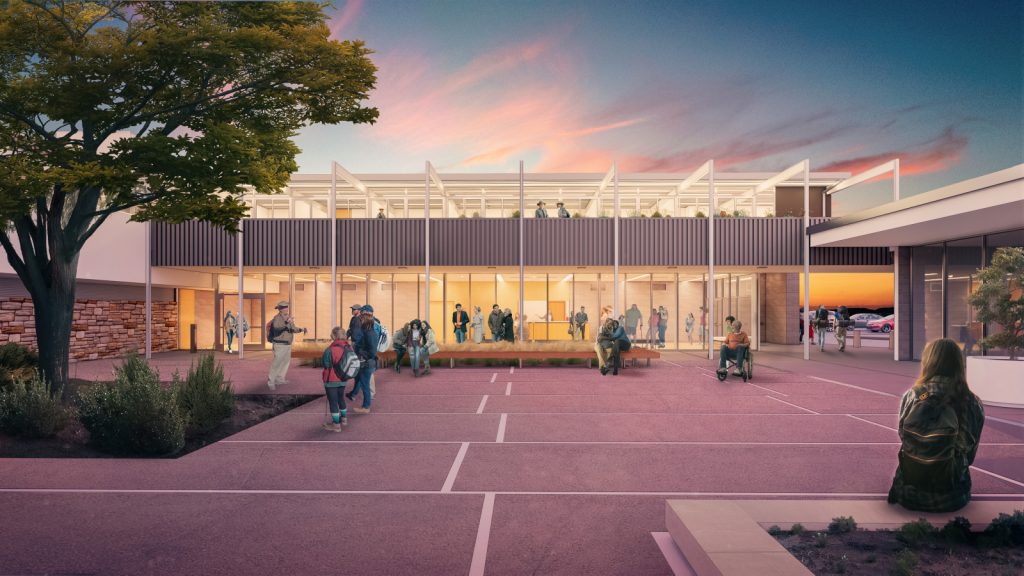
National park redevelopment targets net-zero operations
The updated complex will also improve space for park visitors, staff, and residents. Find out the details here. The post National park redevelopment targets net-zero operations appeared first on Construction Specifier.
-

SimpsonHaugh doubles height in new vision for Manchester neighbourhood
The Architects’ Journal SimpsonHaugh doubles height in new vision for Manchester neighbourhood SimpsonHaugh Architects has unveiled an updated masterplan for the Water Street area of Manchester, featuring a Mayfield-style public park and taller towers The post SimpsonHaugh doubles height in new vision for Manchester neighbourhood appeared first on The Architects’ Journal Gino Spocchia
-
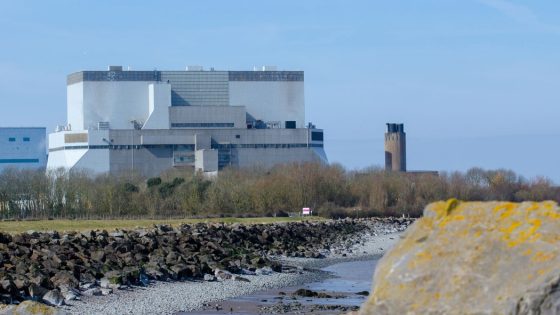
‘Long-anticipated’ refresh of nuclear regulatory guidance welcomed
The guidance for nuclear licensing has been updated for the first time since 2021 by the Office for Nuclear Regulation (ONR) to put greater emphasis on early engagement between applicants and the ONR, and to incorporate recent changes to government policy on nuclear power. The post ‘Long-anticipated’ refresh of nuclear regulatory guidance welcomed appeared first on New Civil Engineer.
Resources tagged updated
-

Updated CCM Waterproofing Webinar Topics
-

Moving Ahead, May 2017: Crossrail's quarterly update
Welcome to the May 2017 edition of Moving Ahead. This project update is issued four times a year to keep you informed about progress on the Crossrail project.
-
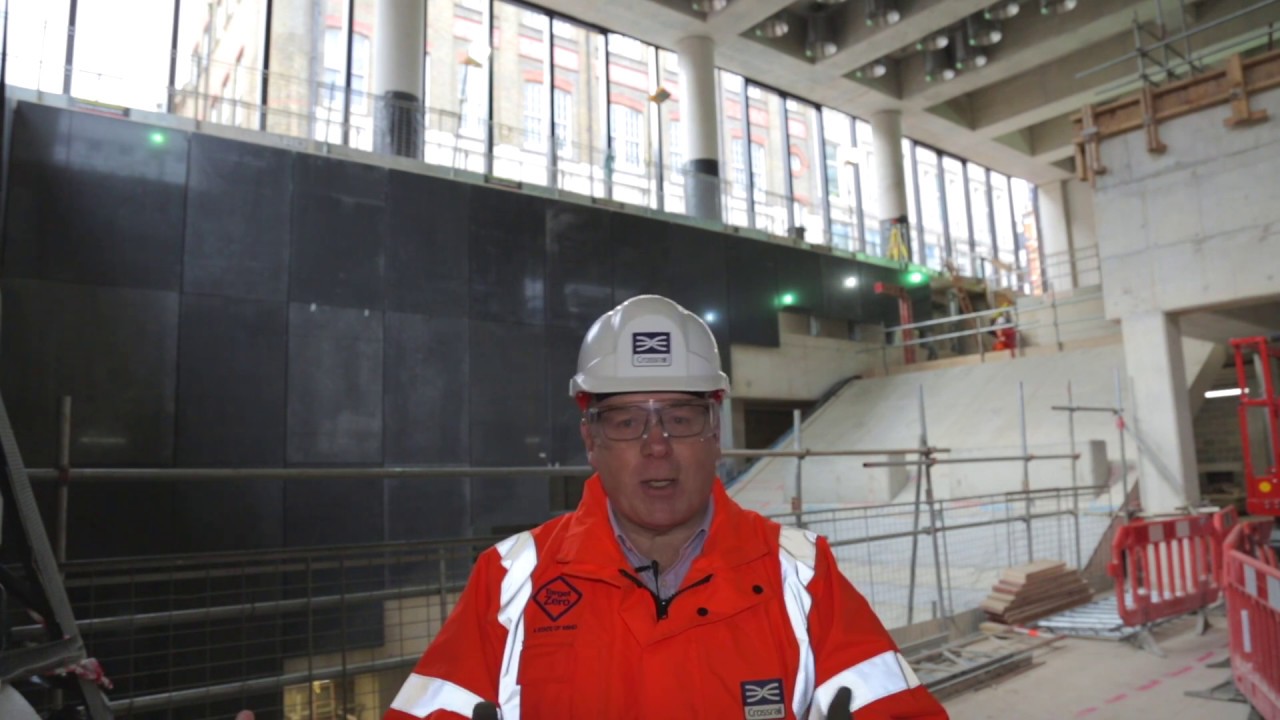
Moving Ahead, January 2017: Crossrail's quarterly update
Welcome to the January 2017 edition of Moving Ahead. This project update is issued four times a year to keep you informed about progress on the Crossrail project
-

Moving Ahead, October 2016: Crossrail's quarterly update
Welcome to the October 2016 edition of Moving Ahead. This project update is issued four times a year to keep you informed of the progress on the Crossrail project
-

Moving Ahead, March 2016: Crossrail’s quarterly update
Welcome to the March 2016 edition of Moving Ahead. The Crossrail railway line is announced the ‘Elizabeth Line’ and HM The Queen visits the project. A CGI provides illustrations of the installation of floating track slab, drilling rigs, etc.
Get full access to our construction knowledge base, latest news and updates ... Join the discussion.